
Conservation
Conservation at Killochries
One of our objectives at Killochries, is to provide a habitat for bird life, particularly protected birds, including grouse. We believe that Highland Cattle have made a significant contribution to the increase in bird life by increasing the invertebrate food for birds and mammals. A hill cow will produce as much as 25% of its own body weight of insect life per season. That means a 500kg hill cow equals 125kg of insect life!
As with all activities in Aird Farming Group, we are always striving for new ways to improve the land. We are on a major drive to reduce processed input, using organic matter wherever possible. As part of this we have been experimenting with various herbal leys, which provide an improved variety of nutrients for both the soil and the cattle. Tree planting is continuous and we have seen a major reduction in water run-off and a decrease in soil erosion, keeping the burn flowing clear even in the wettest of spells. All these regenerative practices have the effect of building topsoil, improving the organic content in the soil and capturing carbon from the atmosphere. The wildlife is thriving with regular sightings of curlews and lapwings amongst others. Ground that was once waterlogged has been transformed through drainage and paddock grazing the cattle. Work is ongoing but as more paddocks are created with new fencing, we see improvements year upon year.
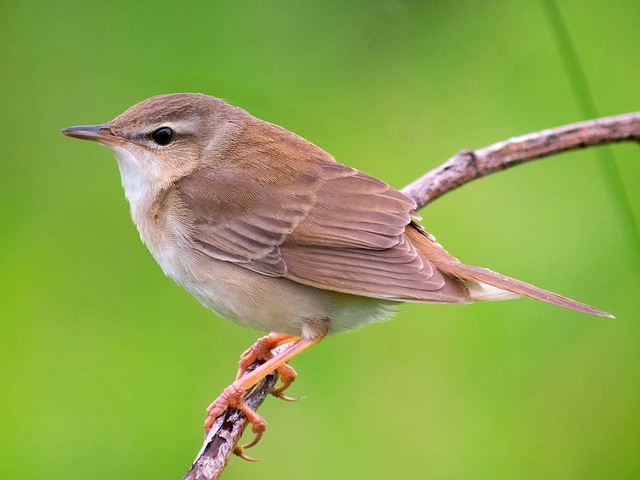
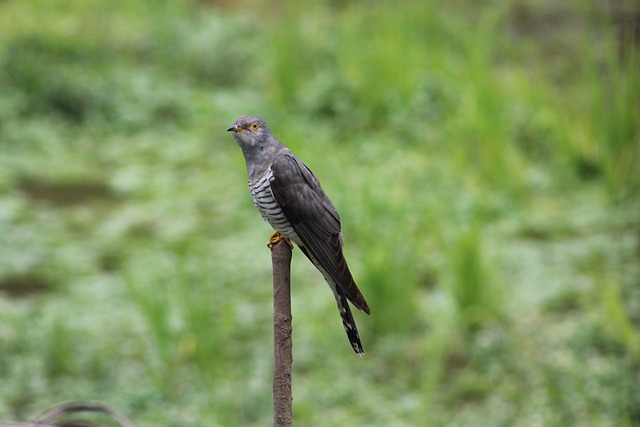
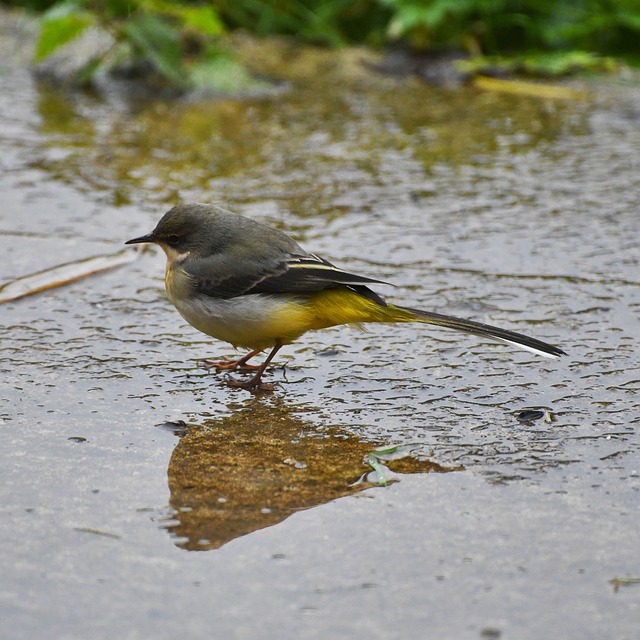
Breeding Bird Survey 2022. Lukestone
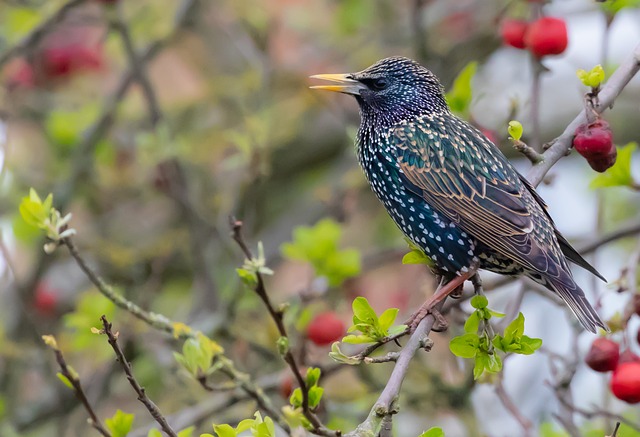
Starling Learning was commissioned by Iain and Sheena Graham of the Aird Farming Group to carry out a breeding bird survey at their Lukestone Farm. The survey was commissioned to establish the breeding bird population of the site and to identify any other species of significance such as Otter (Lutra lutra) that may be present.
This report describes the breeding bird population of the site
Breeding Bird Survey
A few of the wildlife species found at the farm.
Lapwing

Conservation for Lapwings
Lapwing
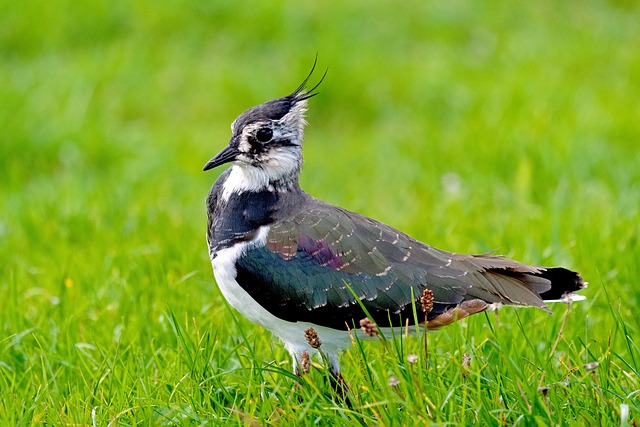
The Lapwing is a common farmland bird with a black and white, round-winged body and black crest. In the breeding season they can be found near sown cereals, root crops, and fallow fields. They eat worms and insects.
Hen Harrier

Hen Harrier
Hen Harrier
Male Hen Harriers are a pale grey colour while females and young chicks are brown with a white rump and a long, barred tail which give them the name ‘ringtail’. They fly low in search of food, mainly small birds and animals and are found in open countryside and conifer plantations in SW Scotland.
Snipe

Snipe
Snipe
The Snipe is a brown wading bird with dark streaks on the chest and pale under parts, short legs and a long straight bill. They are a common breeding species in the UK particularly in Scotland. They eat worms and insect larvae all year round.
Linnet

Linnet
Linnet
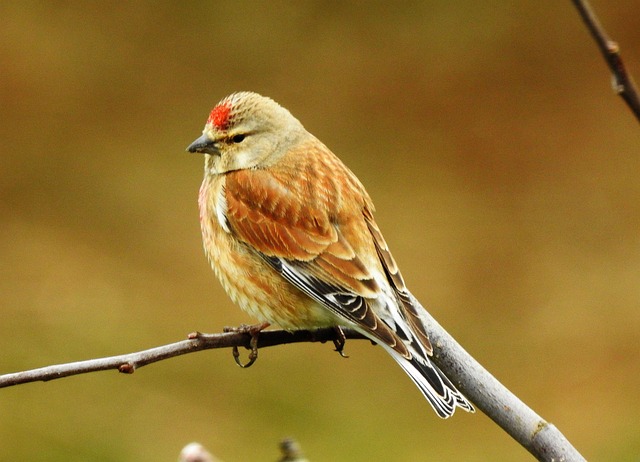
Linnets are small finches where males have red foreheads and breasts and the females are brown. They are found in lowland farmland, orchards and heathland and feed on seeds and insects.
Brown Hare

Conservation Brown Hare
Brown Hare
Population in Britain has experienced a considerable loss since the 1960s. Total number are now estimated between 820,000 to 1,250,000. This decline in hare numbers has been more predominant in the West of Scotland.
The long established, and rich pastures, along with the reintroduction of arable crops oats and kale should provide an ideal habitat for brown hare.
New woodland planting creating open woodland edges with nearby water courses should also help to improve numbers.
Predation namely by foxes on leverets have been a major cause of decline.
Brown hares have 2 or 3 young a year (leverets) and these stay in resting place called a ‘form’ which can be a shallow or dug out depression in an open field or under a cover of long grass, scrub or hedgerow. Brown hares are usually solitary animals occasionally seen in small groups.
Skylark

Conservation for SkyLarks
Skylark
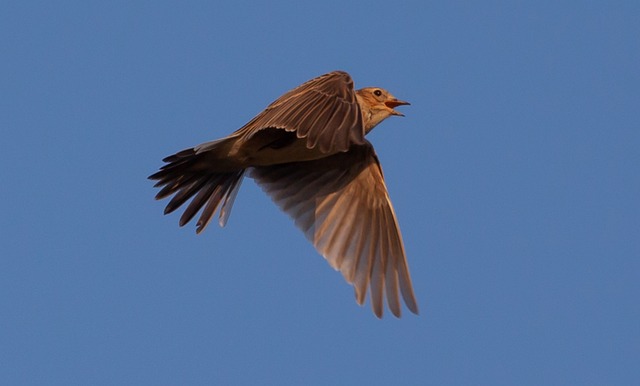
The skylark is a small streaky brown bird with a small crest which is raised when the bird is excited or alarmed. The tail and wings have white edges, which are visible in flight. It eats seeds and insects all year round and is found mainly in lowland farming areas.
Spotted Flycatcher

Conservation Spotted Flycatcher
Spotted Flycatcher
The Spotted Flycatcher is brown with a white breast and darker grey streaks on its breast and forehead. They mainly eat passing insects and are found in the UK during their breeding season.
Curlew

Curlew
Curlew
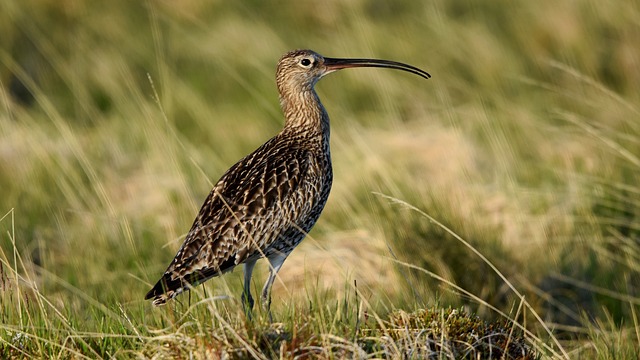
The curlew is the largest European wading bird and has a long down-curved bill, brown upper parts and long legs. Their main source of food is worms, shellfish and shrimp. They breed on damp upland pastures and meadows, and moorlands as well as some lowland agricultural areas.